
Community identification
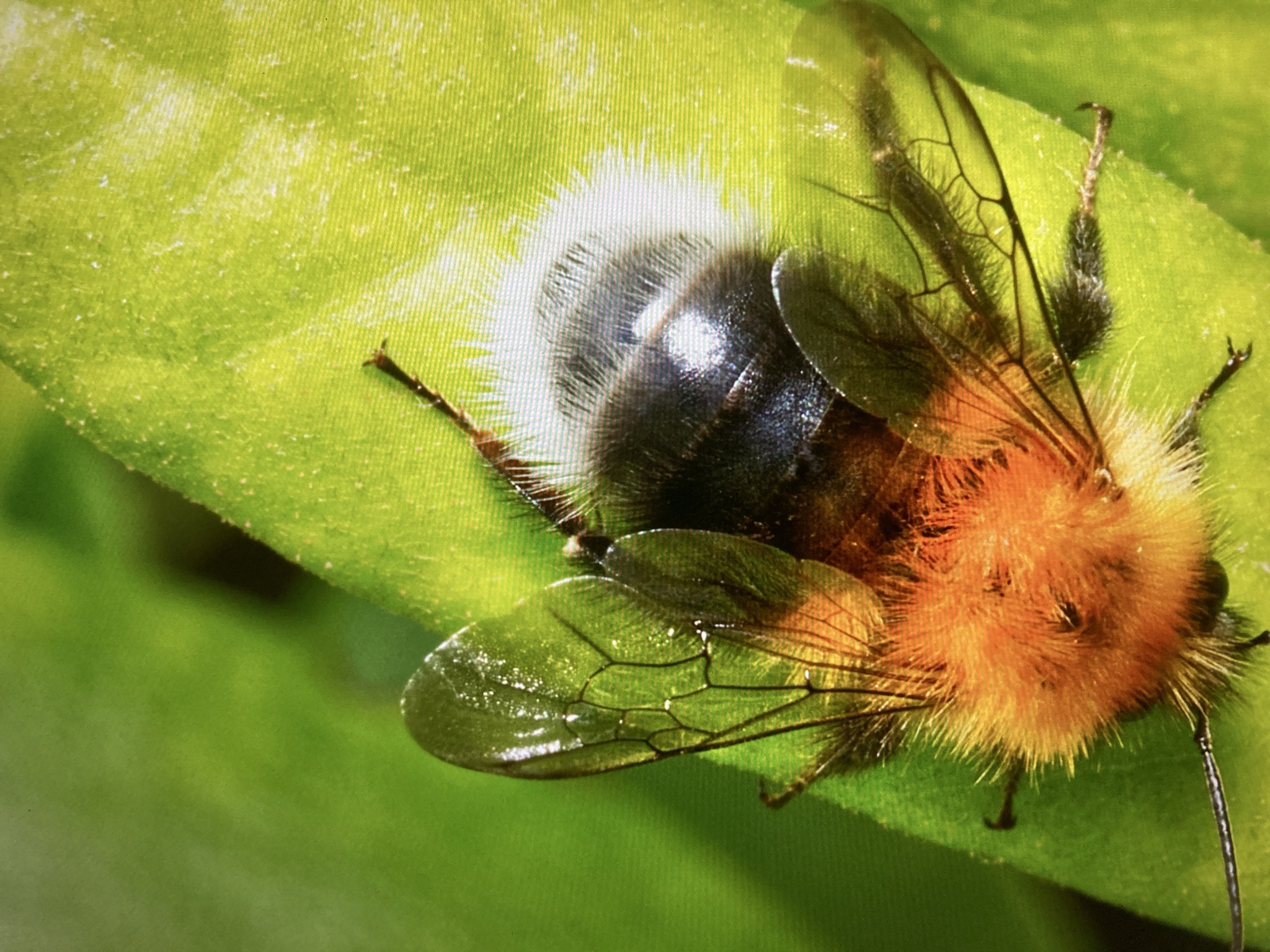
Common Carder Bee
Bombus pascuorum
- Order & Family
- Hymenoptera: Apidae
- Size
- 10mm to 18mm depending on the caste (queens are largest)
Natural Habitat
Gardens, meadows, woodlands, and urban green spaces across Europe and parts of Asia.
Diet & Feeding
Nectar and pollen from a wide variety of flowering plants, with a preference for long-tubed flowers like clover and dead-nettle.
Behavior Patterns
A social species that builds small nests on or just below the ground using moss and dried grass. They are known for 'carding' (combing) materials together to form the nest structure. They are active from early spring to late autumn.
Risks & Benefits
Benefits: Crucial pollinator for both wildflowers and agricultural crops. Risks: Very low; they are docile and rarely sting unless they feel significantly threatened or the nest is disturbed.