Pine Needle Gall Midge
Scientific Name: Thecodiplosis japonensis
Order & Family: Diptera: Cecidomyiidae
Size: Adults are 1.5 - 2.5 mm; galls and larvae are microscopic to roughly 5-10 mm clusters.
Natural Habitat
Coniferous forests and plantations, specifically on two-needle and three-needle pines.
Diet & Feeding
Larvae feed on the sensitive sap tissue at the base of newly developing pine needles.
Behavior Patterns
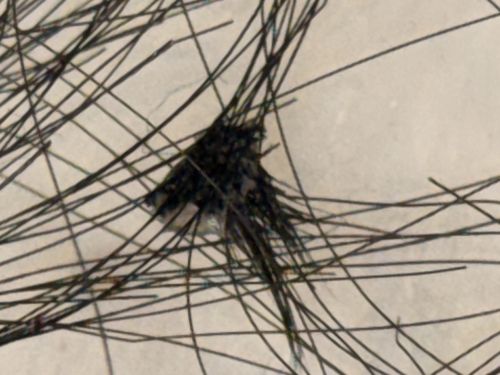
Adults emerge in spring; females lay eggs on needle sheaths. Larvae cause the needles to fuse and swell at the base, creating a gall that stunts needle growth.
Risks & Benefits
Considered a significant forest pest; severe infestations can cause needle drop, branch dieback, and reduced tree vigor, impacting timber production.
Identified on: 3/2/2026