Springtail
Scientific Name: Collembola (subclass)
Order & Family: Order: Entomobryomorpha (common for elongated species), Family: Isotomidae or Entomobryidae
Size: Typically extremely small, ranging from 0.25 mm to 6 mm in length.
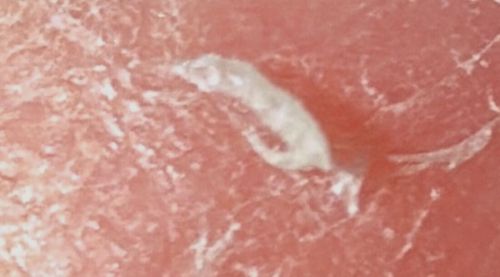
Natural Habitat
Moist environments rich in organic matter, such as leaf litter, soil, decaying logs, compost heaps, and flower pots. They can sometimes be found indoors in damp areas like bathrooms or basements.
Diet & Feeding
They feed primarily on decaying organic matter, bacteria, fungi, mold, algae, and microscopic plant materials.
Behavior Patterns
Springtails are famous for their 'furcula,' a tail-like appendage folded beneath their abdomen that allows them to jump several inches into the air when threatened (hence the name). They do not have wings and move by crawling or jumping. They often gather in large numbers where moisture is present.
Risks & Benefits
Benefits: They are beneficial decomposers that help recycle nutrients in the soil and can indicate good soil health. Risks: They are harmless to humans and pets; they do not bite, sting, or spread disease. However, they can become a nuisance pest if they breed in large numbers inside a damp home.
Identified on: 3/24/2026