Dust Mite
Scientific Name: Dermatophagoides pteronyssinus (and related species)
Order & Family: Order: Sarcoptiformes; Family: Pyroglyphidae
Size: 0.2–0.3 mm in length; they are microscopic and generally invisible to the naked eye.
Natural Habitat
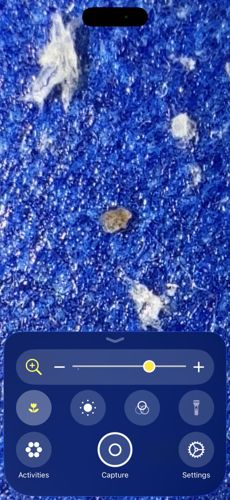
Indoor environments, particularly in bedding, upholstered furniture, and carpets where human skin scales accumulate.
Diet & Feeding
Primary diet consists of detritus, specifically dander (dead skin cells) shed from humans and house pets.
Behavior Patterns
They thrive in high-humidity environments (over 50%) and live in colonies. They produce fecal pellets that contain highly allergenic digestive enzymes.
Risks & Benefits
Risks include being a primary trigger for asthma and allergic rhinitis (dust allergies). They do not bite or transmit diseases. There are no notable benefits to the ecosystem in a domestic setting.
Identified on: 12/27/2025