
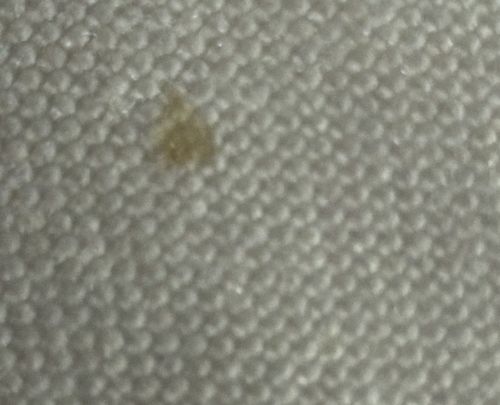
Book louse (or Booklouse)
Liposcelis spp. (Commonly Liposcelis bostrychophila)
- Order & Family
- Order: Psocodea (formerly Psocoptera); Family: Liposcelididae
- Size
- Very small, typically 1 mm to 2 mm in length.
Natural Habitat
Found indoors in high-humidity areas, often residing in books, papers, wallpaper paste, grains, and on damp fabric or mattresses where mold might grow.
Diet & Feeding
They feed on microscopic mold and fungi, as well as starchy materials like book binding glue, wallpaper paste, and sometimes grains or other organic detritus.
Behavior Patterns
They do not bite humans or animals. They are wingless (often) and move in quick, jerky spurts. They thrive in damp, warm environments and reproduce rapidly under these conditions without mating (parthenogenesis).
Risks & Benefits
Risks: They are a nuisance pest rather than a direct health threat; they do not transmit diseases or bite. However, their presence usually indicates high humidity, dampness, and potential mold growth in the home. Large infestations can contaminate stored food products. Benefits: None in a household setting, though they help break down organic matter in nature.