Scabies Mite
Scientific Name: Sarcoptes scabiei
Order & Family: Order: Sarcoptiformes, Family: Sarcoptidae
Size: Microscopic; females are typically 0.3mm to 0.45mm long, males are half that size.
Natural Habitat
The epidermis (upper layer) of mammalian skin, especially where skin is thin or folded (e.g., between fingers, wrists, armpits).
Diet & Feeding
Tissue fluids and skin cells within the burrowed tunnels of the epidermis.
Behavior Patterns
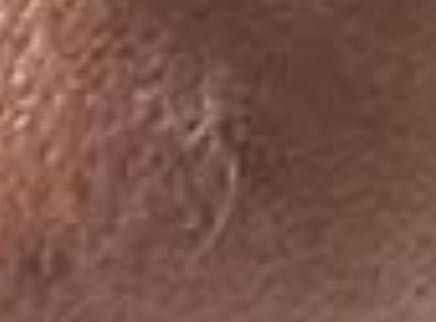
Parasitic burrowing. The fertilized female burrows into the stratum corneum of the skin to lay eggs, creating serpentine tunnels known as 'burrows'. They are most active and itchy at night.
Risks & Benefits
Risks: Causes scabies, a highly contagious skin infestation characterized by intense itching and a pimple-like rash. Secondary bacterial infections can occur from scratching. No ecosystem benefits as it is an obligate parasite.
Identified on: 3/2/2026