Lantana Seed Gall Midge
Scientific Name: Asphondylia lantanae
Order & Family: Diptera: Cecidomyiidae
Size: Larvae are approximately 1-2 mm; the resultant gall is typically 5-10 mm in diameter.
Natural Habitat
Coastal and inland areas where Lantana camara plants are present; primarily found within the developing seed heads of the plant.
Diet & Feeding
The larvae are herbivorous, feeding internally on the developing floral parts and seeds of the Lantana plant.
Behavior Patterns
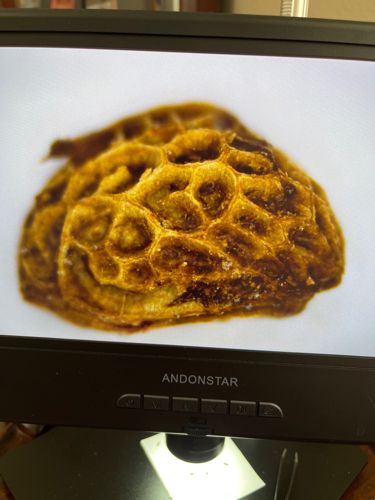
The adult female lays eggs in the flower buds. Larval feeding triggers the plant to develop a distinctive, hard, 'honeycombed' woody gall instead of normal seeds, preventing plant reproduction.
Risks & Benefits
Benefits the ecosystem as a biological control agent for the invasive weed Lantana camara; poses no risk to humans or animals.
Identified on: 3/9/2026