Termite
Scientific Name: Isoptera (Infraorder)
Order & Family: Blattodea (Order), Termitidae or Rhinotermitidae (likely Family)
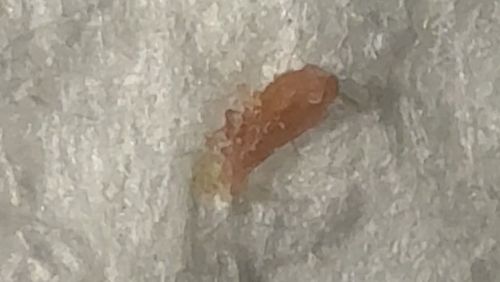
Size: Workers typically range from 4 mm to 15 mm (approx. 1/8 to 1/2 inch) in length depending on the species and caste.
Natural Habitat
Found in soil, decaying wood, and structures made of wood. They thrive in moist, humid environments and are often discovered in walls, basements, or near foundations.
Diet & Feeding
Feeds primarily on cellulose found in wood, leaf litter, soil, dried animal dung, and occasionally living plant tissue.
Behavior Patterns
Highly social insects living in colonies with a caste system (workers, soldiers, reproductives). They are cryptic, avoiding light and open air, often building mud tubes for travel. They are active year-round in heated structures.
Risks & Benefits
Risks: Major structural pest capable of causing extensive and costly damage to wooden structures and furniture. Benefits: Important decomposers in nature, breaking down tough plant fibers and recycling nutrients back into the soil.
Identified on: 2/21/2026