
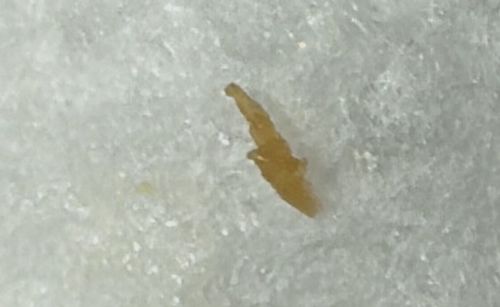
Community identification
Thrips
Thysanoptera
- Order & Family
- Order: Thysanoptera (various families including Thripidae)
- Size
- Typically very minute, ranging from 0.5 to 14 mm, but most commonly less than 1 mm to 2 mm in length.
Natural Habitat
Found on a wide variety of plants, including flowers, leaves, and crops; often accidentally brought indoors on houseplants or bouquets.
Diet & Feeding
Most satisfy their hunger by puncturing plant cells and sucking out the contents; some species are predatory and feed on mites or smaller insects.
Behavior Patterns
They are poor flyers but can drift long distances on wind currents. They can reproduce sexually or asexually and often cause stippling or silvering on plant leaves due to their feeding method.
Risks & Benefits
Risks include significant damage to agricultural crops and houseplants, vectoring plant viruses (like Tospoviruses), and occasionally biting humans (causing minor irritation). Some predatory species are beneficial as biological control agents.