
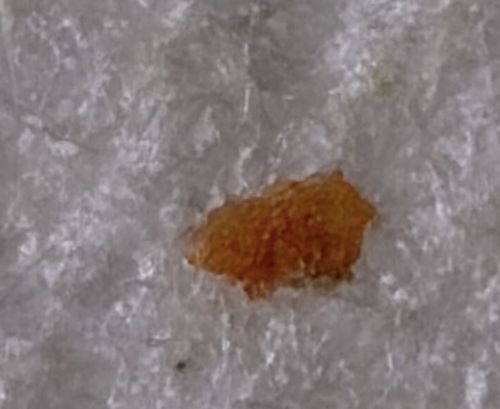
Chigger (Red Bug/Berry Bug/Harvest Mite)
Trombicula spp.
- Order & Family
- Order: Trombidiformes, Family: Trombiculidae
- Size
- Larvae are microscopic, approximately 0.15 to 0.3 mm (1/150 to 1/120 of an inch). Adults are slightly larger (1 mm) but rarely seen.
Natural Habitat
Grassy fields, forests, parks, gardens, moist areas around lakes or streams, and berry patches. They thrive in low-growing vegetation.
Diet & Feeding
In the larval stage (the only stage that bites humans/animals), they feed on liquefied skin cells. They inject specialized enzymes into the skin to break down tissue, which they then consume. Adults feed on insect eggs and small invertebrates.
Behavior Patterns
Larvae wait on the tips of leaves or grass blades for a host to pass by. Once on a host, they seek a tight-fitting area of clothing or a skin fold to attach and feed. They do not burrow into the skin; they insert a feeding tube (stylostome).
Risks & Benefits
Risks: Their bites cause intense, persistent itching and red welts that can last for weeks. In some regions (East/Southeast Asia), they can transmit scrub typhus (Tsutsugamushi disease). Benefits: Adults play a minor role in the soil ecosystem as predators of other small pests.