
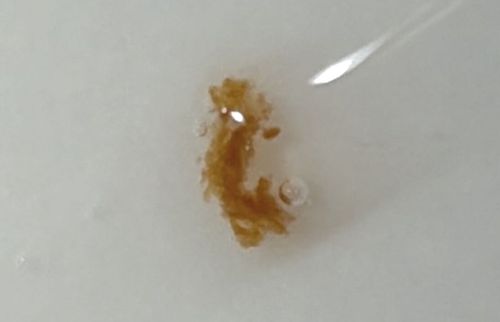
Drain Fly Larva (sometimes improperly called Moth Fly Larva)
Clogmia albipunctata (most common urban species)
- Order & Family
- Order: Diptera (True Flies), Family: Psychodidae
- Size
- Typically 3 to 10 millimeters in length
Natural Habitat
Found in moist, organic environments such as sink drains, bathroom pipes, sewage systems, compost piles, and stagnant shallow water. They thrive in the gelatinous 'slime' that builds up inside plumbing.
Diet & Feeding
They feed on decaying organic matter, sludge, algae, bacteria, and fungi found within drains and sewage pipes.
Behavior Patterns
The larvae are aquatic/semi-aquatic but breathe air through a siphon tube at their rear. They are often stationary or move slowly through sludge. Adults are nocturnal, weak fliers that often rest on bathroom walls.
Risks & Benefits
Risks: Generally harmless to humans (they do not bite or sting), but can be a nuisance pest in homes. Large infestations can indicate plumbing issues. In very rare cases, accidental ingestion or inhalation can cause temporary irritation (myiasis). Benefits: They help decompose organic sludge in drains (though homeowners usually prefer they didn't).