
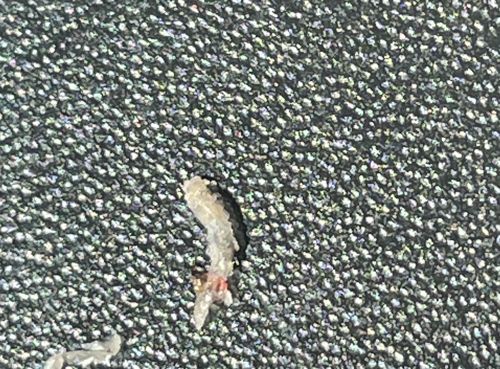
Flea Larva
Siphonaptera (order), Ctenocephalides felis (most common species)
- Order & Family
- Order: Siphonaptera, Family: Pulicidae
- Size
- 2mm to 5mm in length
Natural Habitat
Typically found in indoor environments where pets frequent, such as carpets, bedding, floor cracks, and upholstery. They prefer dark, humid areas away from direct sunlight.
Diet & Feeding
Scavengers that feed on organic debris, including skin scales, dead insects, and most importantly, 'flea dirt' (dried adult flea excrement consisting of semi-digested blood).
Behavior Patterns
Larvae are photophobic (avoid light) and will burrow deep into carpet fibers or bedding. They undergo three larval stages before spinning a cocoon to pupate. The cycle from larva to adult depends heavily on temperature and humidity.
Risks & Benefits
Risks: They are a precursor to adult infestations which cause irritations and transmit diseases (like tapeworms) to pets and humans. Benefits: No significant ecological benefit to humans; they are considered a major domestic pest.