Booklouse (or Psocid)
Scientific Name: Liposcelis spp.
Order & Family: Order: Psocodea (formerly Psocoptera); Family: Liposcelididae
Size: Very small, typically 1 mm to 2 mm in length.
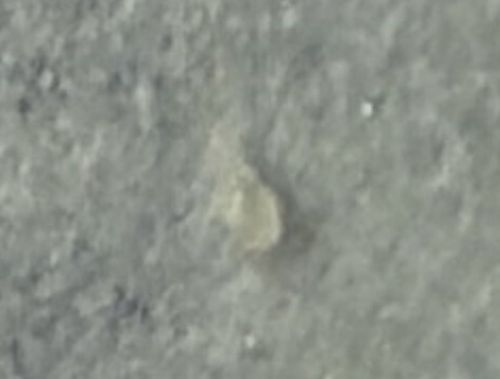
Natural Habitat
Found in high-humidity environments indoors and outdoors; common in damp basements, attics, bookshelves, window sills, and stored food products like grains. They thrive on mold and mildew.
Diet & Feeding
They feed primarily on microscopic mold and fungi, as well as starchy materials like book bindings, glue, wallpaper paste, and stored grains.
Behavior Patterns
Booklice are wingless (often) and move in a quick, jerky manner. They do not bite. They are often indicators of high humidity or moisture problems within a structure.
Risks & Benefits
Risks: Can contaminate stored food products and damage old books or wallpaper by grazing on starchy glues. They are a nuisance pest but generally harmless to humans (no biting/stinging). Benefits: In the wild, they are decomposers.
Identified on: 2/14/2026