
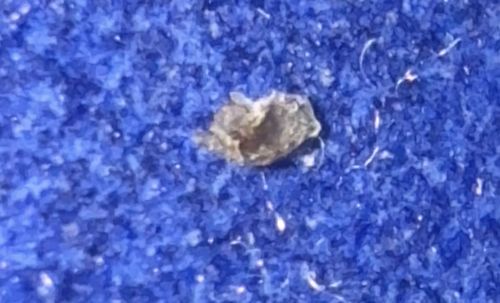
Household Casebearer (often referred to as Plaster Bagworm)
Phereoeca uterella
- Order & Family
- Order: Lepidoptera, Family: Tineidae
- Size
- Cases are usually 8-13 mm long (approx 0.3-0.5 inches)
Natural Habitat
Typically found indoors in humid climates, often in corners, under furniture, or on walls. They originate from tropical and subtropical regions.
Diet & Feeding
The larva feeds on spider webs (old cobwebs), wool fibers, hair, insect debris, and sometimes natural fabrics like wool or silk.
Behavior Patterns
The larva constructing a protective, pumpkin-seed-shaped case out of silk, sand, and debris. It carries this case around while feeding and can retreat inside when threatened. They are nocturnal and often spotted climbing walls.
Risks & Benefits
Generally considered a harmless nuisance pest. They do not bite or sting humans. While they can feed on wool fibers, they rarely cause significant damage to clothing unless the infestation is large. Their primary diet of spider webs can be seen as slightly beneficial cleanup.