
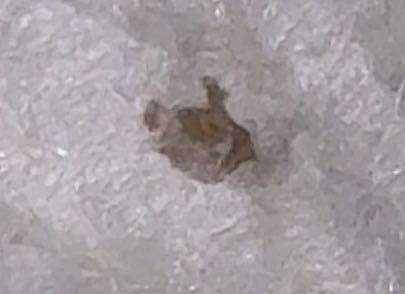
Masked Hunter Nymph
Reduvius personatus
- Order & Family
- Order: Hemiptera (True Bugs); Family: Reduviidae (Assassin Bugs)
- Size
- Nymphs vary by instar stage but generally range from 4-15 mm; adults reach 17-22 mm.
Natural Habitat
Often found indoors in dusty corners, attics, and basements where they hunt other household pests. Outdoors, they live in wooded areas, under bark, or in leaf litter.
Diet & Feeding
Strictly carnivorous predators. They feed on bed bugs, earwigs, silverfish, woodlice, and other small arthropods found in homes.
Behavior Patterns
Nymphs have a unique camouflage behavior where they secrete a sticky substance that covers their body, allowing dust, lint, and sand to adhere to them. This 'dust bunny' disguise hides them from both prey and predators.
Risks & Benefits
Benefits: Generally beneficial as they act as natural pest control against bed bugs and other nuisance insects. Risks: While not aggressive toward humans, they can inflict a very painful bite if handled or threatened, comparable to a bee sting.