Pinworm
Scientific Name: Enterobius vermicularis
Order & Family: Order: Oxyurida, Family: Oxyuridae
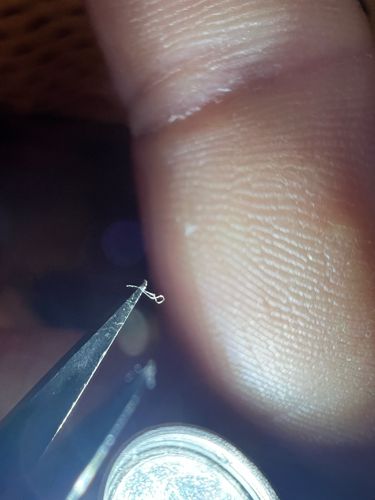
Size: Females are 8–13 mm long; males are 2–5 mm long.
Natural Habitat
Human gastrointestinal tract, primarily the large intestine and rectum; eggs are often found on perianal skin and contaminated environmental surfaces.
Diet & Feeding
Feeds on intestinal contents and mucosal cells within the human host.
Behavior Patterns
Nighttime migration of gravid females to the perianal area to lay thousands of eggs; eggs become infectious within hours and are spread via the fecal-oral route or inhalation of airborne eggs.
Risks & Benefits
Risk: Causes enterobiasis, characterized by intense perianal itching, disturbed sleep, and secondary bacterial infections from scratching. Benefit: None to humans; purely a parasite.
Identified on: 3/29/2026