Bed Bug
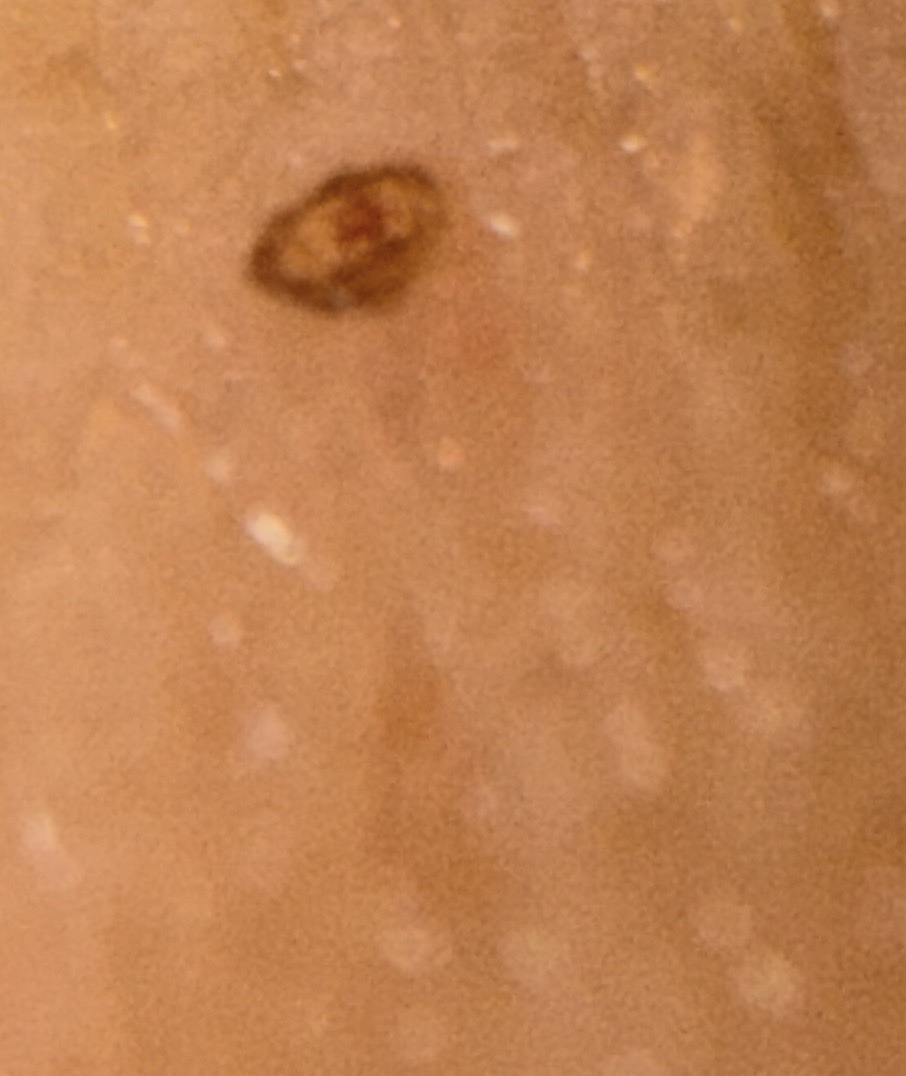
Scientific Name: Cimex lectularius
Order & Family: Hemiptera: Cimicidae
Size: 4 to 5 mm (adults), roughly the size of an apple seed.
Natural Habitat
Found in human dwellings, typically in cracks and crevices, mattresses, bed frames, and behind wallpaper in close proximity to sleeping areas.
Diet & Feeding
Obligate hematophages; they feed exclusively on the blood of warm-blooded animals, primarily humans. Feedings occur quickly, usually taking 3 to 10 minutes.
Behavior Patterns
Mainly nocturnal and elusive. They are attracted to heat and carbon dioxide. After feeding, they retreat to secluded locations to digest and reproduce. They have a hemimetabolous life cycle featuring five nymphal stages.
Risks & Benefits
Risks include skin rashes, psychological effects (anxiety/insomnia), and allergic reactions to bites. While they are not known to transmit diseases to humans, they are a significant pest of public health importance. There are no ecological benefits to their presence in human environments.
Identified on: 7/1/2026