Thrips
Scientific Name: Thysanoptera (Order)
Order & Family: Order: Thysanoptera; Families vary (e.g., Thripidae, Phlaeothripidae)
Size: Very small/minute, typically 0.5 to 5 mm (often less than 2mm) in length.
Natural Habitat
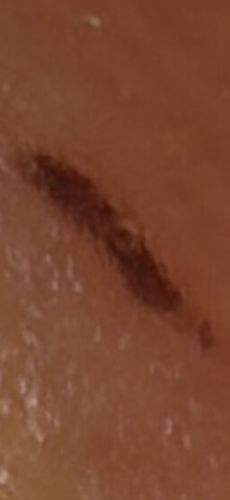
Typically found on flowers, leaves, and various plant parts including vegetable gardens, greenhouses, and indoor plants. They can also land on skin.
Diet & Feeding
Most feed on plant tissues (sucking plant juices), pollen, and some are fungal feeders. A few predatory species feed on mites, small insects, and eggs.
Behavior Patterns
They are weak fliers but can be carried long distances by wind. They feed by puncturing plant cells and sucking out contents, causing silvering of leaves or stippling. They are attracted to bright colors like yellow and white.
Risks & Benefits
Risks: Can be significant agricultural and garden pests, damaging crops and vectoring plant viruses (like Tospoviruses). They may occasionally bite humans, causing minor skin irritation. Benefits: Some predatory species help control mite populations.
Identified on: 2/9/2026