
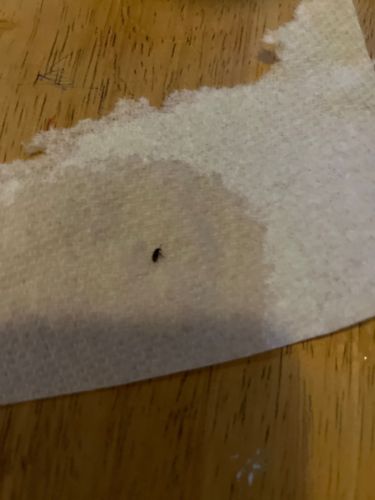
Cat Flea
Ctenocephalides felis
- Order & Family
- Order Siphonaptera, Family Pulicidae
- Size
- 1.5 to 3.3 mm in length
Natural Habitat
Found globally; dwells on the bodies of warm-blooded hosts (cats, dogs, and occasionally humans) and in their sleeping areas, carpets, or upholstered furniture.
Diet & Feeding
Obligate hematophages (blood-feeders). Adults feed on the blood of the host; larvae feed on organic debris and 'flea dirt' (adult flea excrement consisting of dried blood).
Behavior Patterns
Fleas are wingless but are exceptional jumpers. They undergo a complete metamorphosis (egg, larva, pupa, adult). Adults spend most of their lives on the host searching for a mate and feeding.
Risks & Benefits
Risks include skin irritation (flea allergy dermatitis), transmission of tapeworms (Dipylidium caninum), and potential transmission of bacterial diseases such as murine typhus and cat-scratch fever. They offer no significant ecosystem benefits in a domestic setting; they are primarily considered pests.