
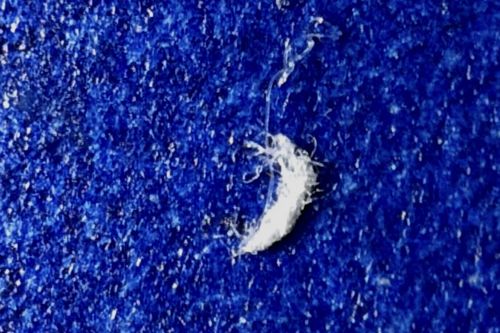
Mealybug
Pseudococcidae (Family)
- Order & Family
- Hemiptera: Pseudococcidae
- Size
- Typically 1 to 4 mm (0.04 to 0.16 inches) long.
Natural Habitat
Found worldwide, primarily in warm, moist climates; they live on house plants, greenhouse crops, and outdoor vegetation (especially fruit trees and ornamentals) in crevices of stems and leaves.
Diet & Feeding
They feed on plant sap (phloem) by inserting their stylets into plant tissue, often excreting sugary honeydew as a waste product.
Behavior Patterns
Mealybugs are often immobile or slow-moving once they find a feeding spot. They congregate in colonies and produce a white, waxy, powdery protective coating that makes them look like small bits of cotton. They often attract ants due to their honeydew secretion.
Risks & Benefits
They are considered agricultural and horticultural pests because their feeding can weaken plants, stunt growth, cause leaf yellowing, and transmit plant viruses. The honeydew they secrete promotes the growth of sooty mold.