Bird Mite (or Rodent Mite)
Scientific Name: Ornithonyssus spp. (e.g., O. sylviarum or O. bursa)
Order & Family: Order: Mesostigmata; Family: Macronyssidae
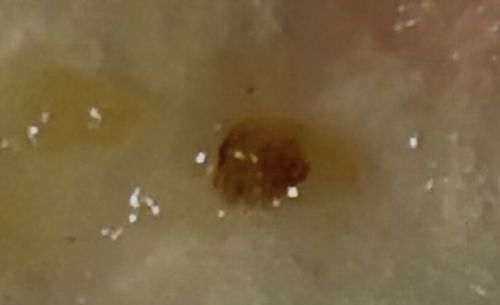
Size: Very small, barely visible to the naked eye; typically less than 1mm (0.7mm to 1mm) long.
Natural Habitat
Typically found in bird nests (sparrows, starlings, pigeons, poultry) or rodent burrows. When their hosts leave or die, they migrate into homes through cracks, vents, or windows.
Diet & Feeding
Hematophagous (feed on the blood of their avian or rodent hosts). They are active feeders that need regular blood meals.
Behavior Patterns
They are most active at night. They can move rapidly and are often noticed crawling on walls, ceilings, or bedding when they invade homes. They reproduce quickly, with a life cycle from egg to adult in about 7 days under optimal conditions.
Risks & Benefits
Risks: They bite humans when their primary host is unavailable, causing intense itching, small red bumps, and skin irritation (dermatitis). They generally cannot survive long-term on human blood but are significant nuisances. Benefits: None in a domestic setting; they are parasitic pests.
Identified on: 2/9/2026