
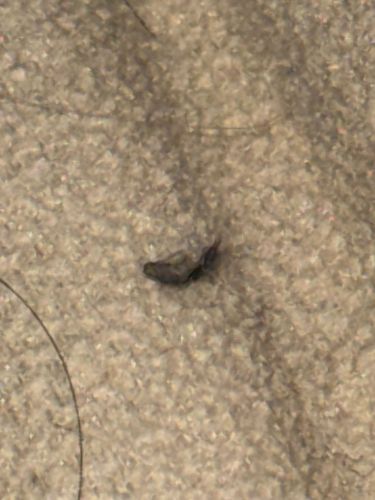
Community identification
Cat Flea
Ctenocephalides felis
- Order & Family
- Siphonaptera: Pulicidae
- Size
- 1 to 2 mm in length
Natural Habitat
Inhabits the fur and skin of mammals like cats, dogs, and humans, as well as carpets, bedding, and floor cracks where larvae develop.
Diet & Feeding
Adults are hematophagous, feeding on the blood of mammals and birds; larvae feed on organic debris and adult flea feces ('flea dirt').
Behavior Patterns
Wingless, laterally flattened for moving through fur, and possess powerful hind legs for jumping. They undergo complete metamorphosis from egg to larva to pupa to adult.
Risks & Benefits
Risks include skin irritation, allergic dermatitis, and transmission of pathogens like tapeworms or Bartonella. They provide no ecosystem benefits to human habitats.