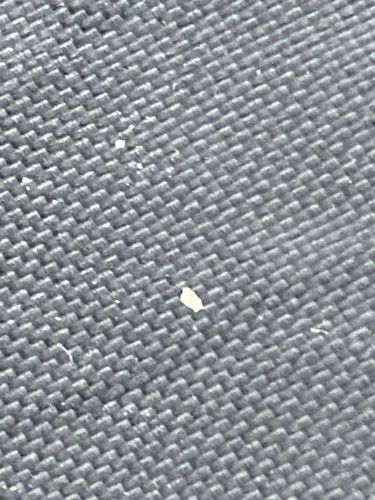
Body Louse Egg (Nit)
Scientific Name: Pediculus humanus humanus
Order & Family: Order: Psocodea (formerly Phthiraptera), Family: Pediculidae
Size: Approximately 0.5 to 1.0 mm in length
Natural Habitat
Found on fibers of clothing, bedding, and fabric in close contact with human skin.
Diet & Feeding
Eggs do not feed; adult body lice feed exclusively on human blood.
Behavior Patterns
Nits are glued to fabric fibers using a cement-like substance. They typically hatch in 1-2 weeks if kept warm by human body heat.
Risks & Benefits
High risk; body lice can transmit serious bacterial diseases such as louse-borne typhus, trench fever, and epidemic relapsing fever. They often thrive in crowded, unsanitary living conditions.
Identified on: 1/8/2026