
Community identification
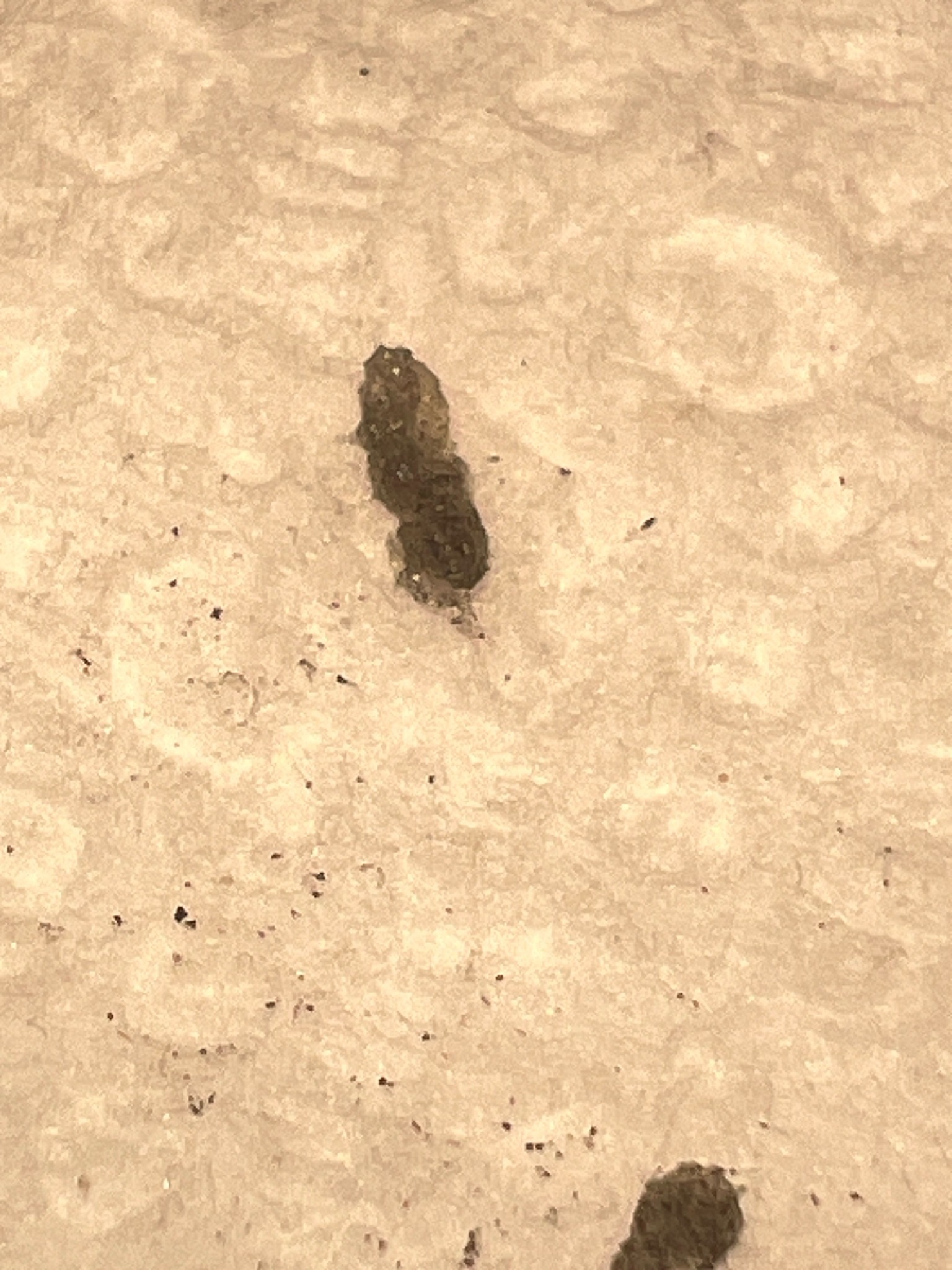
Household Casebearer
Phereoeca uterella
- Order & Family
- Order: Lepidoptera, Family: Tineidae
- Size
- Case length: 8–15 mm; Larva: 5–10 mm
Natural Habitat
Typically found inside houses, often on walls, ceilings, and under furniture where dust and spider webs accumulate.
Diet & Feeding
Larvae eat natural fibers such as wool and silk, as well as spider webs, dead insects, and hair found in household dust.
Behavior Patterns
The larva constructs a protective silk case covered in sand, dust, and debris. It is open at both ends, allowing the larva to turn around and feed from either side. They undergo complete metamorphosis, eventually emerging as a small, drab moth.
Risks & Benefits
Generally harmless to humans but can be a minor nuisance pest as they may damage silk or wool clothing and upholstery. They play a role in the ecosystem by consuming detritus and recycled organic matter.