Dust Mite
Scientific Name: Dermatophagoides spp. (e.g., Dermatophagoides farinae)
Order & Family: Order: Sarcoptiformes, Family: Pyroglyphidae
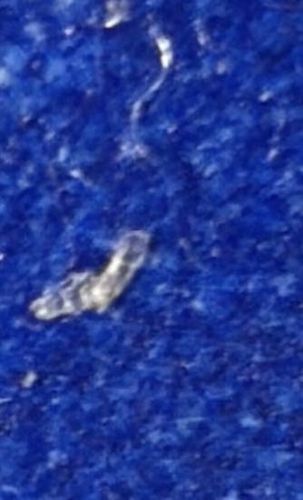
Size: Microscopic, typically 0.2 to 0.3 millimeters (often invisible to the naked eye, though large clusters against dark backgrounds might be vaguely perceptible as dust).
Natural Habitat
Indoor environments, specifically thriving in bedding, mattresses, upholstered furniture, carpets, and curtains where dead skin cells accumulate and humidity is moderate to high.
Diet & Feeding
Primarily feeds on dead skin cells (dander) shed by humans and animals, as well as fungal spores.
Behavior Patterns
They are photophobic (avoid light) and tend to bury themselves deep in fabric fibers. They absorb moisture from the air rather than drinking water, which is why they thrive in humid conditions.
Risks & Benefits
Risks: A major source of indoor allergens; their feces and decaying body parts can trigger allergic reactions, asthma attacks, sneezing, and eczema in sensitive individuals. Benefits: They act as scavengers by breaking down organic waste (skin cells), though this benefit is generally outweighed by their allergenic potential in homes.
Identified on: 2/21/2026