
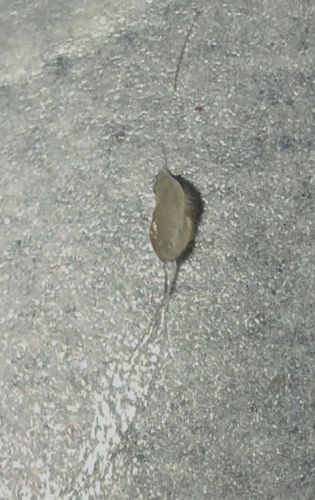
Puss Caterpillar (Megalopyge opercularis larva)
Megalopyge opercularis
- Order & Family
- Order: Lepidoptera, Family: Megalopygidae
- Size
- Typically 1 to 1.5 inches (2.5 to 4 cm) in length.
Natural Habitat
Commonly found in shade trees and garden plants such as oak, elm, wild plum, and various ornamental shrubs. Native to the southern United States, Mexico, and parts of Central America.
Diet & Feeding
The larvae feed on the leaves of a wide variety of deciduous trees and shrubs, including oak, elm, maple, and hackberry.
Behavior Patterns
The caterpillar is covered in a thick coat of soft-looking hairs (setae) that hide venomous spines. They undergo complete metamorphosis; the adult stage is the southern flannel moth. They are most active during the late summer and fall.
Risks & Benefits
Risk: Highly hazardous to humans. The 'fur' conceals hollow venomous spines that cause intense, radiating pain, swelling, welts, and sometimes systemic symptoms like nausea or headache upon contact. Benefit: Like other moths, they play a minor role in the local food web, though they can be considered a defoliating pest in high numbers.