
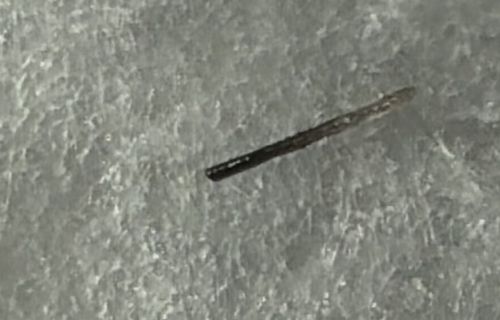
Bagworm Moth Larva
Psychidae family (various species, often Thyridopteryx ephemeraeformis)
- Order & Family
- Order: Lepidoptera, Family: Psychidae
- Size
- Larval case can range from a few millimeters to 2 inches (5 cm) long, depending on the age and species.
Natural Habitat
Found on a wide variety of trees and shrubs, particularly evergreens like arborvitae, cedar, juniper, and spruce. They are also often found attached to siding, fences, or other structures when travelling or pupating.
Diet & Feeding
The larvae feed on the foliage of their host trees. They consume leaves or needles, potentially stripping branches bare if the infestation is heavy.
Behavior Patterns
Bagworms are named for the protective case they construct from silk and bits of plant material (leaves, twigs, bark). They carry this mobile home with them as they feed. As they grow, they enlarge the case. When ready to pupate, they attach the case securely to a branch or structure.
Risks & Benefits
Risk: They are considered pests because they can cause significant defoliation to ornamental trees and shrubs, potentially killing the host plant if left unchecked. Benefits: They are a food source for birds and some parasitic insects.