
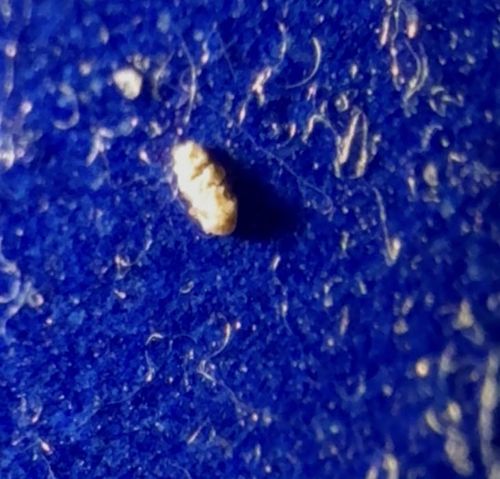
Household Casebearer (often specifically the Plaster Bagworm or similar Case-bearing Moths)
Phereoeca uterella (or Tinea pellionella for Casemaking Clothes Moth)
- Order & Family
- Order: Lepidoptera, Family: Tineidae
- Size
- Larval case is typically 8–13 mm long (approx. 0.3 to 0.5 inches).
Natural Habitat
Typically found indoors in humid, dusty environments such as closets, under furniture, near baseboards, or on fabrics like wool and rugs. They are common in tropical and subtropical climates.
Diet & Feeding
The larvae feed on keratin-rich animal fibers (wool, fur, feathers), spider webs, dead insects, lint, and sometimes stored grain products.
Behavior Patterns
The larva constructs a protective, flattened, pumpkin-seed-shaped case out of silk and debris (sand, soil, frass), which it drags around as it moves. It withdraws into the shell when disturbed. They eventually pupate inside this case.
Risks & Benefits
Risks: They are considered household pests because they can damage woolen clothing, carpets, tapestries, and furs. They do not bite or sting humans. Benefits: Negligible, though they do help clean up spider webs and dead insects in unseen corners.