Earthworm
Scientific Name: Lumbricina
Order & Family: Order: Opisthopora; Family: Lumbricidae
Size: Typically 1 to 14 inches (2.5 to 35 cm) depending on the species.
Natural Habitat
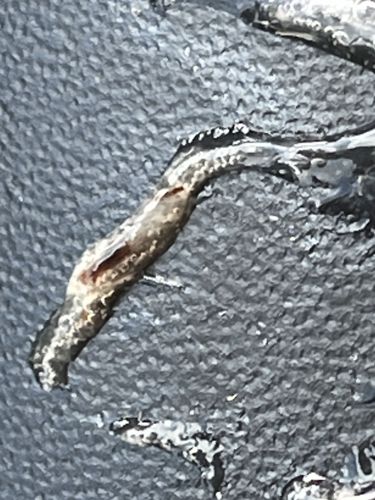
Moist soils rich in organic matter, compost piles, and leaf litter; frequently emerge on pavement or sidewalks after heavy rain.
Diet & Feeding
Detritivorous; they consume organic matter in the soil such as decaying leaves, roots, and micro-organisms.
Behavior Patterns
Nocturnal soil dwellers that move by peristaltic waves of muscle contraction. They are hermaphrodites that mate by exchanging sperm. They emerge on the surface during wet conditions to avoid drowning or to migrate longer distances.
Risks & Benefits
They are highly beneficial to ecosystems by aerating the soil, improving drainage, and recycling nutrients. They pose no risk to humans, though some non-native species are considered invasive in North American forest ecosystems because they consume leaf litter too quickly.
Identified on: 3/14/2026