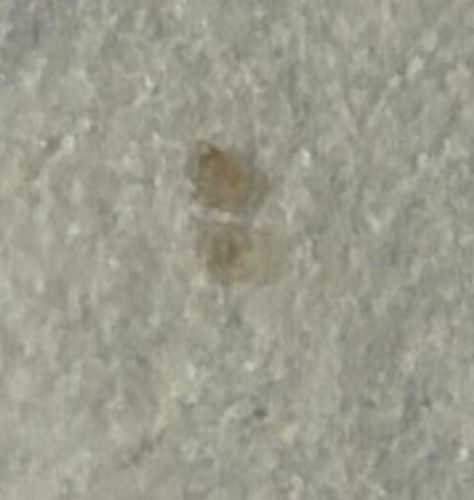
Booklouse (Book Louse or Psocid)
Scientific Name: Liposcelis spp. (often Liposcelis bostrychophila)
Order & Family: Order: Psocodea (formerly Psocoptera), Family: Liposcelididae
Size: Very small, typically 1 mm to 2 mm in length.
Natural Habitat
Found indoors in warm, high-humidity environments such as bathrooms, kitchens, basements, and around window sills. They live in wall voids, books, cardboard, and behind wallpaper.
Diet & Feeding
They feed on microscopic molds, fungi, starch, glues (book bindings), and decaying organic matter.
Behavior Patterns
They are wingless, soft-bodied insects that do not bite or sting. They thrive in damp conditions and reproduce parthenogenetically (asexually). They run somewhat quickly but jerkily when disturbed.
Risks & Benefits
Risks: They are nuisance pests that can contaminate stored food (grains/flour) and damage books or wallpaper by grazing on starchy glues. They often indicate a moisture or mold problem in the home. Benefits: They are harmless to humans (no bites/disease transmission) and aid in recycling organic detritus in nature.
Identified on: 3/8/2026