Springtail
Scientific Name: Collembola (subclass)
Order & Family: Order: Entomobryomorpha, Poduromorpha, or Neelipleona (Various families)
Size: 1 to 6 mm (0.04 to 0.24 inches)
Natural Habitat
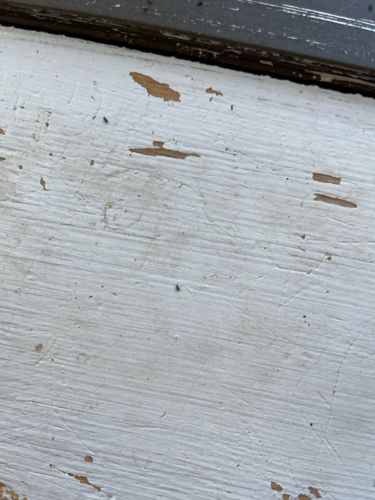
Damp environments, soil, leaf litter, decaying wood, and moisture-prone areas around buildings/windowsills
Diet & Feeding
Detritivores feeding on fungal hyphae, spores, bacteria, algae, and decaying organic matter
Behavior Patterns
Notable for a specialized tail-like appendage called a furcula used to catapult themselves through the air when threatened; they often appear in large numbers during high-moisture periods
Risks & Benefits
They do not bite or sting humans and are harmless to structural wood; they are beneficial decomposers that help cycle nutrients into the soil, though they can be considered a nuisance pest when they enter homes in large numbers due to moisture issues
Identified on: 1/12/2026