
Community identification
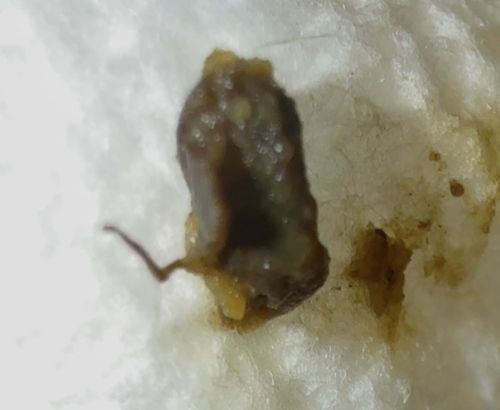
Engorged Tick (likely a Soft Tick or a very desiccated Hard Tick)
Ixodida (Order)
- Order & Family
- Order: Ixodida; Families: Ixodidae (Hard ticks) or Argasidae (Soft ticks)
- Size
- Unfed larvae are less than 1mm; adults are 3-5mm flat; fully engorged females can reach 10-15mm.
Natural Habitat
Tall grass, wooded areas, shrubs, leaf litter, and hosts (mammals, birds, reptiles). They are often brought indoors by pets.
Diet & Feeding
Hematophagous (blood-feeding); they require blood meals from hosts to progress through life stages (larva, nymph, adult) and to reproduce.
Behavior Patterns
Questing (waiting on grass tips for a host to brush by) or actively hunting (soft ticks). When not feeding, they hide in crevices or ground litter. The specimen in the image appears to be partially engorged and possibly dead or desiccated.
Risks & Benefits
Risks: High vector for serious diseases including Lyme disease, Rocky Mountain spotted fever, Ehrlichiosis, and Babesiosis. Benefits: Minimal direct benefit, though they are a food source for some birds and reptiles.