
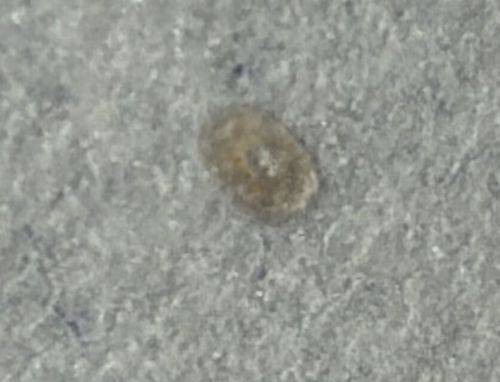
Soft Tick (likely Bat Tick or similar genus)
Carios kelleyi (Bat Tick) or within the Argasidae family
- Order & Family
- Order: Ixodida, Family: Argasidae
- Size
- 3 mm to 10 mm depending on age and engorgement level
Natural Habitat
Often found in sheltered, dark places like attics, crevices in walls, or eaves where bats roost. Unlike hard ticks, they generally live in the 'nest' of the host rather than on vegetation.
Diet & Feeding
Hematophagous (blood-feeding). Their primary hosts are typically bats, but in the absence of their preferred host (e.g., if bats are evicted), they will seek alternative meals from humans or pets.
Behavior Patterns
Soft ticks feed rapidly (often 15-30 minutes) and then drop off the host, primarily feeding at night. They can survive long periods (months or years) without feeding. They lack the hard dorsal shield (scutum) found on hard ticks, giving them a leathery, wrinkled appearance.
Risks & Benefits
Risks: Can infest homes if bats are roosting nearby. Their bites can cause allergic reactions in humans. While less notorious than hard ticks for Lyme disease, they are vectors for other diseases such as tick-borne relapsing fever (TBRF), though this is relatively rare in residential settings compared to wilder areas.