
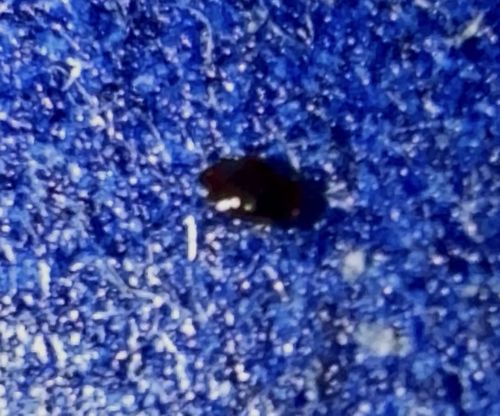
Flea
Ctenocephalides felis (most common) or Ctenocephalides canis
- Order & Family
- Order: Siphonaptera / Family: Pulicidae
- Size
- 1 to 3 millimeters long (extremely small)
Natural Habitat
Fleas primarily live on mammals and birds, hiding in their fur or feathers. When not on a host, they are often found in environments where these animals sleep or rest, such as carpets, bedding, upholstery, and floor cracks.
Diet & Feeding
Both adult male and female fleas are hematophagous, meaning they feed exclusively on blood from their hosts (cats, dogs, humans, etc.). The larvae feed on organic debris, particularly the feces of adult fleas (dried blood).
Behavior Patterns
Fleas are known for their incredible jumping ability relative to their size, which they use to leap onto passing hosts. They are parasites that stay on the host to feed but lay eggs that fall off into the environment. They undergo complete metamorphosis (egg, larva, pupa, adult).
Risks & Benefits
Risks: Insect bites cause itching, irritation, and potential allergic dermatitis in pets and humans. They can transmit tapeworms (Dipylidium caninum) and diseases like cat scratch disease, murine typhus, and historically, the plague. Benefits: Ecologically minimal, primarily serving as occasional food for other small organisms, though they are significant vectors for disease.