Springtail (specifically elongated springtails)
Scientific Name: Collembola (Class), Entomobryomorpha (Order)
Order & Family: Order: Entomobryomorpha; Family: Isotomidae or Entomobryidae
Size: Typically extremely small, ranging from 1 mm to 6 mm in length.
Natural Habitat
Thrive in moist, damp environments rich in decaying organic matter. Including leaf litter, soil, rotting wood, and inside homes in bathrooms, basements, or near potted plants.
Diet & Feeding
Detritivores and fungivores; they feed on decaying plant material, fungi, mold spores, bacteria, and algae.
Behavior Patterns
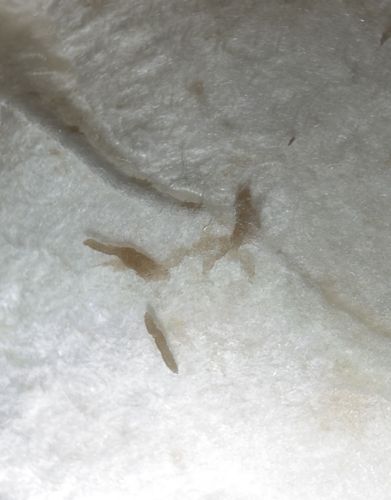
Known for their unique jumping mechanism using a forked tail-like appendage called a furcula (though some species lack this or do not jump). The ones in the image appear to be the 'slender springtail' type which scurry quickly. They are often found swarming in large numbers when moisture levels are high.
Risks & Benefits
Risks: Harmless to humans and pets; they do not bite, sting, or damage structural wood. Can be a nuisance in large numbers inside the home. Benefits: Vital decomposers in ecosystems; they help recycle nutrients back into the soil and control fungal growth.
Identified on: 3/10/2026