
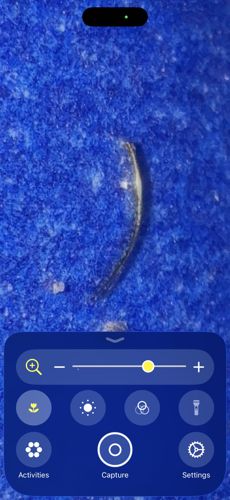
Community identification
Flea larva
Ctenocephalides felis (most common species)
- Order & Family
- Order: Siphonaptera, Family: Pulicidae
- Size
- 1.5 mm to 5 mm in length
Natural Habitat
Dark, protected areas such as carpet fibers, bedding, floor cracks, and shaded outdoor soil where pets frequent.
Diet & Feeding
Organic debris, including shed skin cells, and 'flea dirt' (dried blood excreted by adult fleas).
Behavior Patterns
Larvae are photophobic (move away from light) and require high humidity. They undergo three molting stages before spinning a cocoon to pupate.
Risks & Benefits
Risk: They eventually develop into adult fleas that bite humans and pets, spreading diseases and causing allergic dermatitis. Benefit: None to humans or pets; they are considered household pests.