
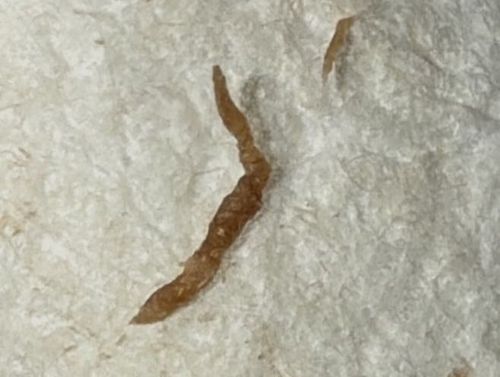
Rat-tailed Maggot
Eristalis tenax (larval stage)
- Order & Family
- Diptera (Order), Syrphidae (Family)
- Size
- Typically about 2 cm (approx. 0.8 inches) for the body, with a breathing tube (tail) that can extend up to 15 cm (6 inches).
Natural Habitat
Stagnant, oxygen-poor water rich in organic matter, such as sewage lagoons, manure pits, flower pot saucers, tree rot holes, and sometimes accidentally in toilets or drains.
Diet & Feeding
They feed on decaying organic matter, bacteria, and microscopic particles found in polluted water.
Behavior Patterns
These are the aquatic larvae of the Drone Fly. The distinctive 'tail' is actually a breathing tube (siphon) that allows them to breathe atmospheric air while submerged in low-oxygen environments. When ready to pupate, they leave the water to find a drier location, which is when they are often spotted by humans.
Risks & Benefits
Generally harmless to humans; they do not bite or sting. They are considered beneficial decomposers in nature. However, their presence indicates stagnant, polluted water nearby. Accidentally ingesting water containing their eggs can very rarely lead to accidental intestinal myiasis.