
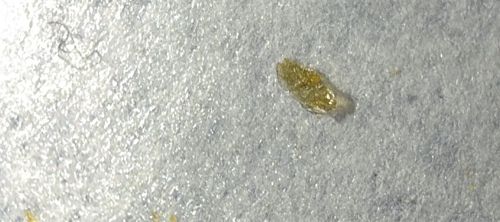
Community identification
Plaster Bagworm (larval case)
Phereoeca uterella
- Order & Family
- Order: Lepidoptera, Family: Tineidae (Clothes Moths)
- Size
- Cases are typically 6-13 mm (0.2-0.5 inches) long
Natural Habitat
Commonly found indoors on walls, especially in humid environments like garages, bathrooms, and closets. They thrive in tropical and subtropical climates.
Diet & Feeding
Detritivores. They feed on old spider webs, wool, hair, lint, dead insects, and dried animal skins.
Behavior Patterns
The larva constructs a protective, flattened, pumpkin-seed-shaped case made of silk and debris (sand, dust, lint). It carries this case around as it moves. The case has openings at both ends to allow the larva to turn around inside.
Risks & Benefits
Generally considered a household pest. While they do not bite or sting humans, large infestations can be nuisance and may cause minor damage to woolen fabrics, carpets, or rugs, similar to clothes moths.