Pinworm
Scientific Name: Enterobius vermicularis
Order & Family: Order: Oxyurida, Family: Oxyuridae
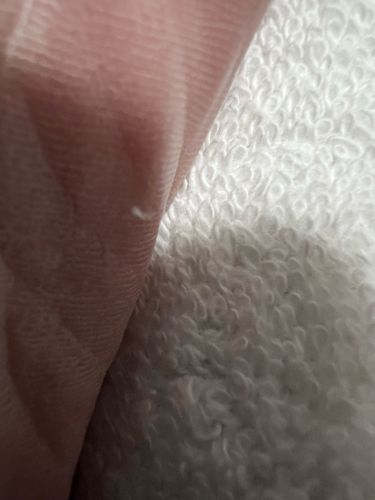
Size: 8–13 mm for adult females; 2–5 mm for adult males (visible as small, white threads).
Natural Habitat
The human large intestine (specifically the cecum and appendix); eggs are typically found in the perianal region or on bedsheets/clothing.
Diet & Feeding
The adult worms feed on the contents of the human intestinal tract and host epithelial cells.
Behavior Patterns
Gravid females migrate to the anus at night to deposit thousands of microscopic eggs, causing itching. This is a highly infectious parasite spread via the fecal-oral route.
Risks & Benefits
Causes enterobiasis, characterized by intense anal itching and restless sleep. While not generally dangerous, they are a significant nuisance and can cause secondary bacterial infections from scratching. They provide no ecosystem benefits.
Identified on: 3/25/2026