
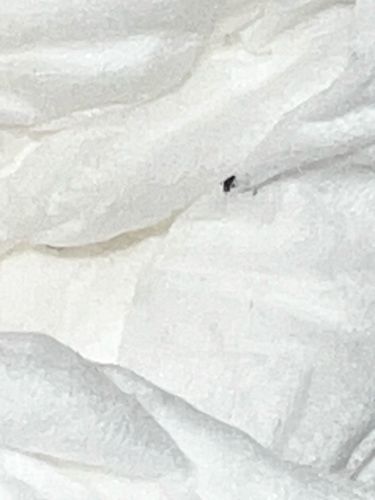
Flea
Siphonaptera
- Order & Family
- Order: Siphonaptera; Family: Pulicidae (common family for cat/dog fleas)
- Size
- 1.5 to 3.3 mm in length
Natural Habitat
Typically found on the bodies of warm-blooded hosts (mammals and birds) or in the host's nesting materials and bedding.
Diet & Feeding
Adults are hematophagous, meaning they feed exclusively on the blood of mammals or birds. Larvae feed on organic debris and adult flea feces ('flea dirt').
Behavior Patterns
Fleas are wingless parasites known for their incredible jumping ability. They go through a complete metamorphosis (egg, larva, pupa, adult). They are most active when they detect a host via vibration, heat, or carbon dioxide.
Risks & Benefits
Risks: Fleas are a significant nuisance, causing allergic dermatitis, itching, and irritation. They can transmit serious diseases such as bubonic plague and murine typhus, and act as intermediate hosts for tapeworms. Benefits: None to humans; they serve as a food source for some predatory insects in the ecosystem.