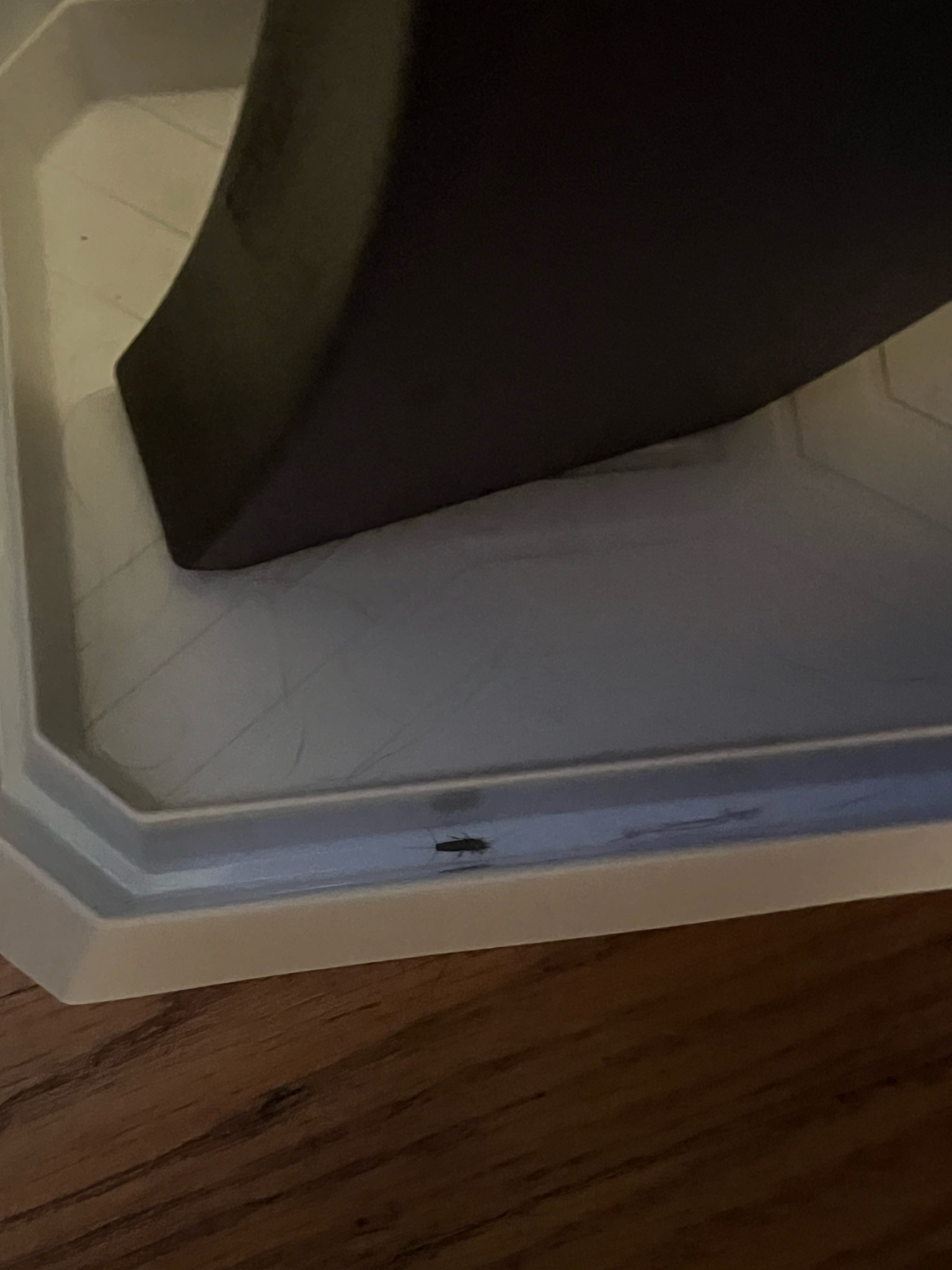
Silverfish
Scientific Name: Lepisma saccharinum
Order & Family: Zygentoma, Lepismatidae
Size: 12–19 mm (0.5–0.75 inches)
Natural Habitat
Dark, damp, and cool areas with high humidity, often found in basements, bathrooms, kitchens, and attics.
Diet & Feeding
General scavengers that consume matter containing polysaccharides, such as starches and dextrin in adhesives. Their diet includes book bindings, carpet, clothing, coffee, dandruff, glue, hair, some paints, paper, photos, plaster, and sugar.
Behavior Patterns
Nocturnal and incredibly fast runners, silverfish can outrun many of their predators (including spiders and centipedes). They undergo a process called primitive metamorphosis, where juveniles look like smaller versions of adults.
Risks & Benefits
They do not bite humans or pets and carry no known diseases; however, they are considered pests because they can damage personal property like books, wallpaper, and clothing. In small numbers they are harmless, but infestations can be destructive.
Identified on: 6/30/2026