Slug
Scientific Name: Arionidae or Limacidae family (specific genus/species varies by region)
Order & Family: Order: Stylommatophora; Families include Limacidae, Arionidae, and Agriolimacidae
Size: Typically 1 to 15 cm depending on the species; some species like the banana slug can reach up to 25 cm.
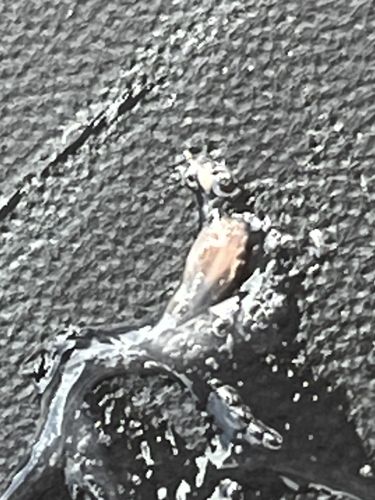
Natural Habitat
Damp, moist environments such as gardens, forests, under rocks, logs, and leaf litter; frequently found in areas with high humidity to prevent desiccation.
Diet & Feeding
Mostly herbivorous or detritivorous, feeding on decaying organic matter, fungi, algae, and living plant tissues (leaves, flowers, and fruits).
Behavior Patterns
Primarily nocturnal or active during overcast, damp days; they move by muscular contractions of their foot while secreting a protective mucus (slime) to reduce friction and retain moisture.
Risks & Benefits
Benefits: They act as decomposers, recycling nutrients back into the soil and serving as a food source for birds and amphibians. Risks: They are common garden pests that can damage crops and ornamental plants; some species may carry parasites like the rat lungworm if ingested by pets or humans.
Identified on: 3/14/2026