
Community identification
Household Casebearer or Plaster Bagworm
Phereoeca uterella
- Order & Family
- Order: Lepidoptera, Family: Tineidae
- Size
- Larval case is approximately 8-13 mm long
Natural Habitat
Typically found indoors in dry, dusty areas such as baseboards, closets, corners, under furniture, and in garages. They thrive in humid climates.
Diet & Feeding
The larvae feed on old spider webs, wool, hair, lint, and dead insects.
Behavior Patterns
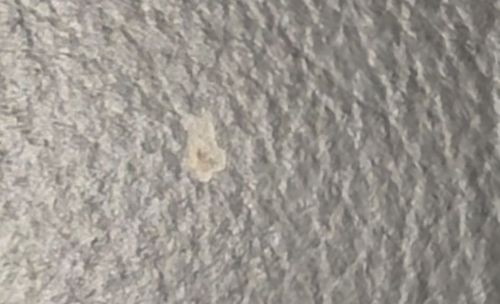
The larva constructs a flattened, pumpkin-seed-shaped case made of silk and debris (like sand, paint fragments, or bug parts) that it carries around for protection. It stays inside this case, protruding its head to eat and move.
Risks & Benefits
Generally considered a nuisance pest rather than a major threat. They do not bite or sting humans, but they can damage wool clothing or rugs if infestations are severe. They are beneficial in a minor way as they clean up cobwebs and dead insects.