
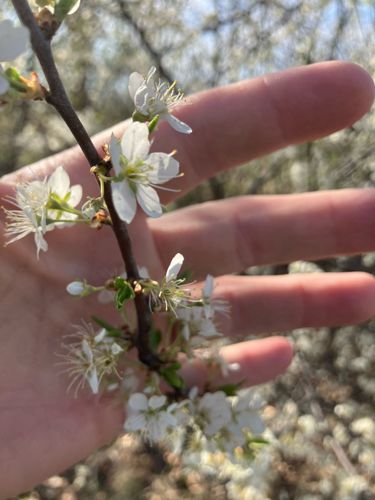
Community identification
Pear Sawfly (Larva known as Cherry Slug)
Caliroa cerasi
- Order & Family
- Hymenoptera: Tenthredinidae
- Size
- Larvae are 10–12 mm long; adult sawflies are 4–6 mm long.
Natural Habitat
Orchards, gardens, and landscapes where host trees like pear, cherry, plum, or hawthorn are present.
Diet & Feeding
Larvae feed on the upper surface of foliage, skeletonizing leaves by eating the soft tissue between veins. Adults do not feed significantly.
Behavior Patterns
Larvae are covered in a dark, slimy secretion resembling a small slug to deter predators. They undergo a complete metamorphosis, pupating in the soil beneath host plants.
Risks & Benefits
Risks: Can cause significant aesthetic damage and defoliate trees if populations are high, potentially weakening young trees. Benefits: They serve as a food source for some birds and predatory insects.