
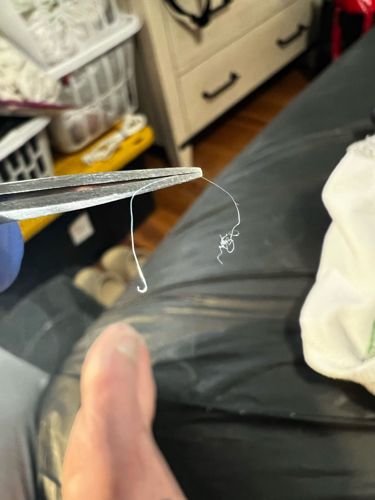
Horsehair Worm (Gordian Worm)
Gordius robustus (Species may vary)
- Order & Family
- Order: Gordiacea; Family: Gordiidae
- Size
- Generally 4 inches to 14 inches (10–35 cm) long, but they are extremely thin (about 1–3 mm wide).
Natural Habitat
Adults are typically found in or near freshwater sources such as streams, ponds, puddles, troughs, and cisterns; larvae are internal parasites of insects.
Diet & Feeding
In the larval stage, they are parasites that absorb nutrients from the body fluids of hosts like crickets, beetles, and grasshoppers. Adults do not feed.
Behavior Patterns
Larvae develop inside an insect host. When the worm is mature, it influences the host's behavior to seek water; once the host reaches water, the adult worm emerges to mate and lay eggs. They are often found knotted together in 'Gordian knots'.
Risks & Benefits
They pose no risk to humans, pets, or plants. They are beneficial to the ecosystem as they help control populations of certain nuisance insects like crickets and grasshoppers.