
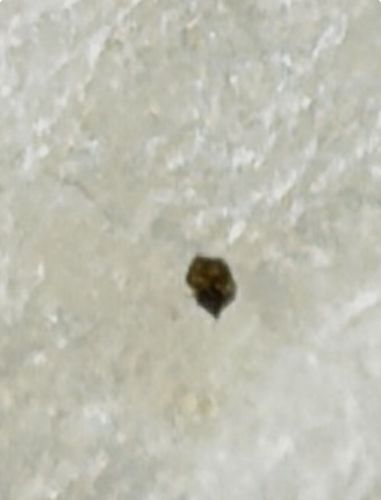
Drain Fly (also known as Moth Fly, Sewer Fly, or Filter Fly)
Psychodidae (Family name; common species include Clogmia albipunctata)
- Order & Family
- Order: Diptera, Family: Psychodidae
- Size
- 1.5 to 5 mm (approx. 1/16 to 3/16 inch) in length
Natural Habitat
Found in moist, organic-rich environments such as bathroom drains, kitchen sinks, sewage systems, septic tanks, and damp compost.
Diet & Feeding
Larvae feed on decaying organic matter, algae, bacteria, and sludge found inside drains; adults generally do not feed or may drink water/nectar.
Behavior Patterns
They are weak fliers, often seen resting motionless on walls near sinks or drains. They are most active in the evening. Their larvae thrive in the gelatinous slime layer inside pipes.
Risks & Benefits
Risks: Generally harmless to humans as they do not bite or sting, but can transmit bacteria mechanically if they land on food. They are considered a nuisance pest in homes. Benefits: Larvae help break down organic material in drains.