
Community identification
Household Casebearer (Plaster Bagworm)
Phereoeca uterella
- Order & Family
- Lepidoptera (Order) / Tineidae (Family)
- Size
- Typically 8-13 mm long (case length)
Natural Habitat
Often found indoors on walls, especially in humid climates like Florida and the Caribbean; outdoors found in old spider webs or under structures.
Diet & Feeding
Larvae feed on silk (old spider webs), wool, lint, human hair, shed pet fur, and dead insect remains.
Behavior Patterns
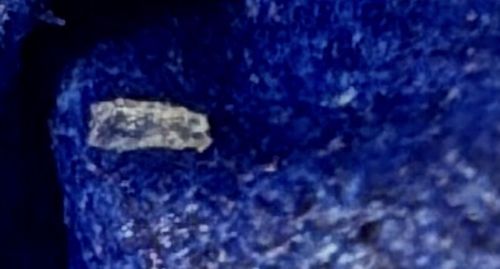
The larva builds a flattened, pumpkin-seed-shaped protective case out of silk and debris, which it drags around as it moves. The larva never leaves the case completely, poking its head and legs out from either end to crawl.
Risks & Benefits
They are generally harmless to humans (they do not bite or sting) but can be a nuisance pest indoors. While usually not as destructive as clothes moths, they can damage woolens or rugs if infestations are large.