Dog Flea
Scientific Name: Ctenocephalides canis
Order & Family: Order Siphonaptera, Family Pulicidae
Size: 2.0 mm to 4.0 mm in length
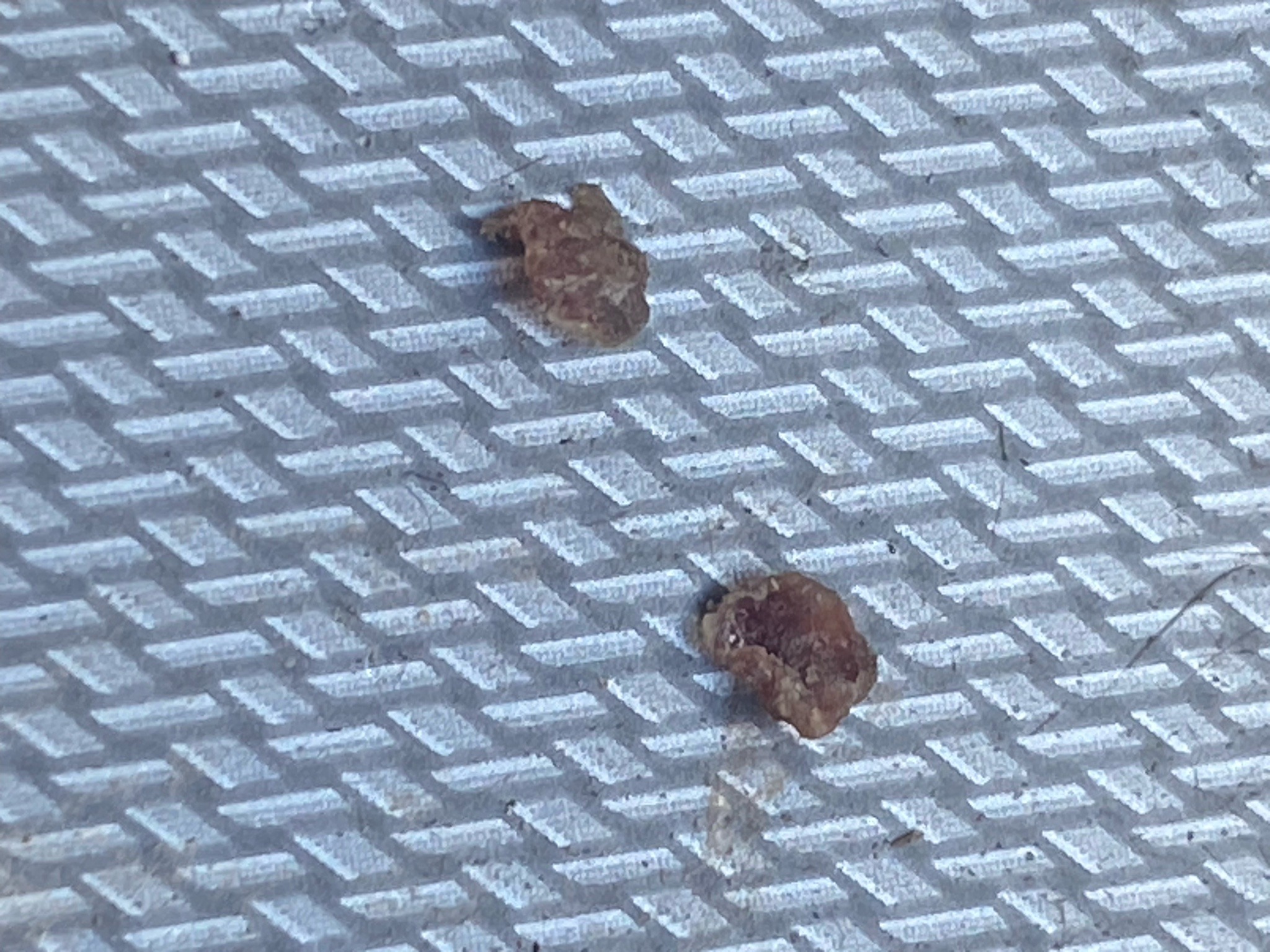
Natural Habitat
Found globally; stays primarily on domestic dogs, wild canids, and sometimes cats or humans in infested environments.
Diet & Feeding
Adults are hematophagous (blood-feeders), while larvae consume organic debris and adult flea feces (flea dirt).
Behavior Patterns
Wingless but highly skilled jumpers; undergoes complete metamorphosis (egg, larva, pupa, adult). They can remain in the pupal stage for months until sensing a host.
Risks & Benefits
Risks include severe itching, allergic dermatitis, and transmission of Dipylidium caninum (tapeworm). No significant ecosystem benefits; considered a household and veterinary pest.
Identified on: 6/22/2026