Springtail
Scientific Name: Collembola (subclass)
Order & Family: Order: Entomobryomorpha (common order for elongate springtails); Family: Entomobryidae (likely)
Size: Typically extremely small, ranging from 0.25 mm to 6 mm, though most household species are 1-2 mm.
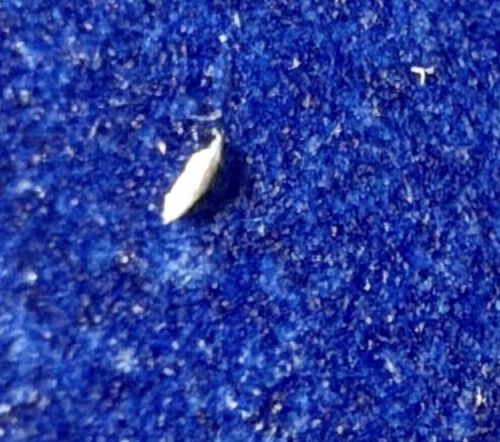
Natural Habitat
Damp environments rich in organic matter, such as soil, leaf litter, decaying wood, potted plants, and sometimes in humid areas of homes (bathrooms, basements, or near leaky pipes).
Diet & Feeding
Detritivores and fungivores; they primarily feed on decaying organic matter, mold, mildew, fungi, algae, and bacteria found in damp environments.
Behavior Patterns
Famous for their ability to jump using a tail-like structure called a 'furcula' tucked under their abdomen when threatened. They often gather in large numbers where moisture is present.
Risks & Benefits
Benefits: Essential decomposers in soil ecosystems, aiding in nutrient recycling. Risks: Nuisance pest indoors; they do not bite, sting, or damage structural wood, but their presence indicates moisture issues or mold growth.
Identified on: 2/8/2026