
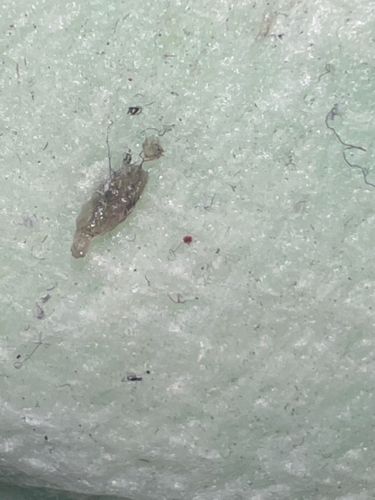
Household Casebearer (often referred to as a plaster bagworm)
Phereoeca uterella
- Order & Family
- Lepidoptera: Tineidae
- Size
- Case length is approximately 8-15 mm (0.3-0.6 inches); the larva inside is smaller.
Natural Habitat
Typically found inside buildings, houses, and garages, particularly in tropical and subtropical regions. They are common on walls and in corners where dust and silk debris accumulate.
Diet & Feeding
The larva feeds primarily on spider webs, but it may also consume wool, silk, hair, and other natural fibers or proteinaceous detritus.
Behavior Patterns
The larva constructs a spindle-shaped silk case covered in dust, sand, and lint. It can pull its head and legs into the case for protection and can turn around inside the case to protrude from either end. After pupation, it emerges as a small, inconspicuous moth.
Risks & Benefits
They are considered a minor household pest. While they do not bite humans or pets, they can cause minor damage to silk or wool fabrics. They are mostly known for the aesthetic nuisance of their cases hanging on walls.